

Cord and tissue banking involve the gathering, processing, and storage of specific biological materials for potential future medical use. These practices provide opportunities for medical remedies and research. Here's an overview of twine and tissue banking:
Cord Blood Banking:
Cord Blood Collection:
Cord blood is the blood collected from the umbilical twine and placenta after childbirth. This blood is wealthy in stem cells.
The assortment process is non-invasive and occurs after the infant is born and the umbilical twine is clamped and reduce.
Stem Cell Content:
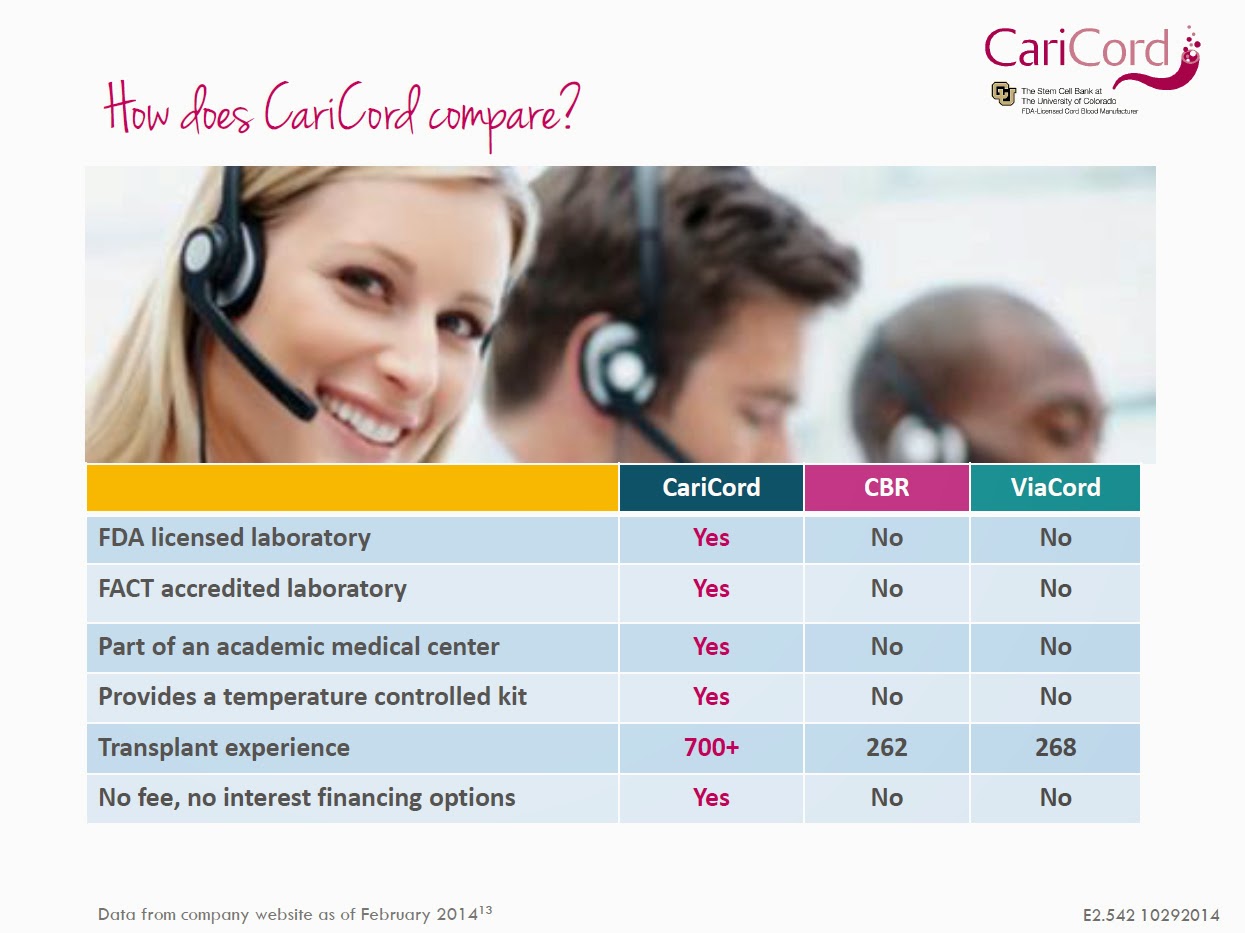
Cord blood is a useful supply of hematopoietic stem cells, which have the potential to develop into various types of blood cells.
These stem cells can be utilized in the therapy of certain genetic problems, blood cancers, and different diseases that have an effect on the blood and immune system.
Cord Blood Banking Options:
Public Cord Blood Banks: Donated wire blood is saved in public banks, and it turns into available to anyone in need of a stem cell transplant.
Private Cord Blood Banks: Parents can select to retailer their baby's twine blood in a private bank for his or her household's exclusive use. This involves a fee for collection, processing, and storage.
Tissue Banking:
Tissue Types:
Tissue banking involves the collection and preservation of varied kinds of tissues, similar to pores and skin, bone, tendons, heart valves, and corneas.
https://maps.app.goo.gl/Yy1KmRNurFEucYgp9 can be utilized for transplantation to exchange damaged or diseased tissues in sufferers.
Transplantation and Reconstruction:
Tissues stored in tissue banks can be used for various medical functions, together with reconstructive surgeries, orthopedic procedures, and treating burns or injuries.
For instance, bone grafts can aid in orthopedic surgical procedures, and pores and skin grafts can be essential in treating burn victims.
Research:
Tissue banks additionally help medical analysis by offering researchers with priceless samples for studies on diseases, therapies, and the development of latest therapies.
Donation and Consent:
Tissue donation often requires the knowledgeable consent of the donor or their household. Ethical and authorized issues play a big role within the donation course of.
Storage and Preservation:
Tissues are carefully processed, preserved, and stored under controlled conditions to keep up their viability until they are wanted for transplantation or analysis.
Cord and tissue banking contribute to advances in medical therapies, offering choices for sufferers who require stem cell transplants or tissue replacements. These practices also assist scientific analysis to higher understand illnesses and develop new therapies. It's necessary for individuals to make knowledgeable selections relating to the donation and storage of twine blood or tissues, considering their potential medical benefits and moral concerns..